



Memoir vs Autobiography: A Simple Comparison for UK Readers
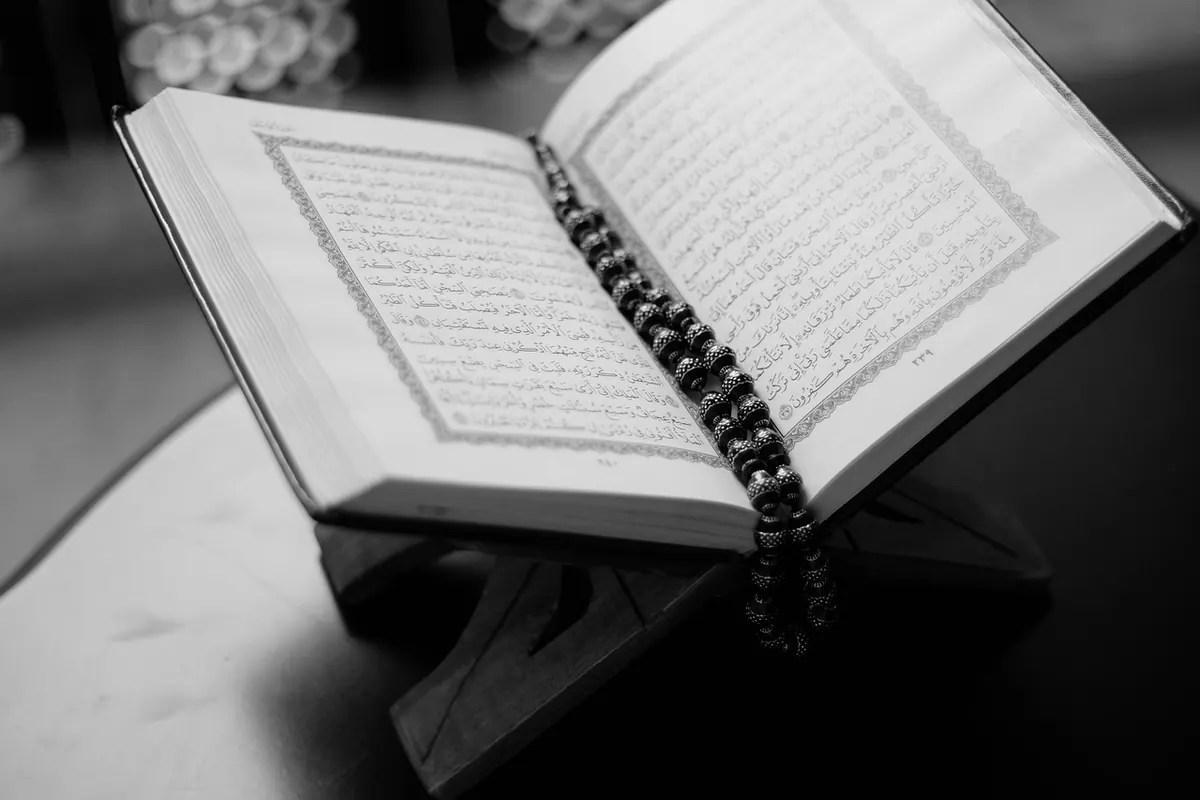
Two books sit side by side on the same shelf. Both are true. Both are about a real person who really lived. One begins with a birth in a cold terraced house and moves steadily forward through school, work and marriage. The other opens in a hospital corridor and only explains on page forty who is dying. Readers use memoir and autobiography as if the words were interchangeable. Publishers and booksellers know they are not, and once you can see the difference you will choose better and read both kinds more sharply.
The difference in one sentence
An autobiography tells the story of a whole life. A memoir takes one part of a life — a parent, a job, a year, a question that will not leave the writer alone — and presses on it until it gives something up.
That is the working rule, and it holds most of the time. It also explains why the two forms feel so different in the hand. An autobiography asks you to follow a person from the beginning. A memoir asks you to sit with a person inside one problem.
Worth adding, since the words get muddled in conversation: a biography is written by somebody else. Autobiography and memoir are both first-person, or presented as such.
Scope: a whole life, or one thread through it
An autobiography makes a promise of coverage. You expect childhood, family background, education, work, relationships, the years of difficulty, the years of success, and some reckoning with what it all amounted to. Nelson Mandela's Long Walk to Freedom is the obvious example: it runs from a village childhood to a presidency, and the reader is meant to travel the whole distance.
A memoir narrows the lens on purpose. Blake Morrison's And When Did You Last See Your Father? is built around his father's illness and death, with the childhood arriving in flashes as it becomes relevant. Jeanette Winterson's Why Be Happy When You Could Be Normal? circles an adoptive childhood in Accrington and the books that offered a way out. Neither book is short of material. Both chose depth over coverage.
The trap for readers is assuming a memoir must cover a short period. It does not. A memoir can span thirty years if those years serve one theme. What matters is that it is not trying to be complete.
Structure: chronology versus shape
The default spine of an autobiography is time. Even when the writer jumps forward to make a point, chronology governs the book, and you can usually feel the forward pull of the years.
Memoir is arranged by meaning. Chapters might be built around a house, a smell, a repeated argument, a photograph, a job that ended badly. Time becomes a tool rather than a track, and the writer is free to move backwards and forwards as the subject demands. This is why memoirs so often feel more like novels — they are shaped rather than merely sequenced.
A quick way to tell which you are holding: look at the chapter titles. Dates, decades or job titles suggest autobiography. Single nouns, images or fragments suggest memoir.
Intent: record versus reckoning
Autobiographies tend to be written from a position of arrival. The writer has something to set down: a career, a struggle, a public life, a version of events that ought to exist in their own words. The mood is often archival. Letters, diaries and documents get quoted. There is a sense of leaving testimony.
Memoir is usually written from a position of not knowing. The writer is trying to understand something and has not finished doing so. That is why the best memoirs can feel unresolved, and why they are often better for it. Agatha Christie's An Autobiography records a life with warmth and deliberate omissions; Hilary Mantel's Giving Up the Ghost is a reckoning with a strange childhood and a long illness, and it reads as an attempt to work something out on the page.
It is also worth remembering that many public figures use a co-writer or ghostwriter for an autobiography, while memoirs are more often written alone. That affects the voice you hear.
Where the line blurs
Memory is the reason these categories leak into each other. No one remembers a life in order, and no honest writer pretends otherwise. Both forms involve selection, and selection is a kind of shaping. Neither is a court transcript.
The difference is in how openly that is acknowledged. Memoir tends to flag the soft edges — this is how I remember it, my sister says it happened differently. Autobiography often leans on documentary evidence to firm things up. Some writers produce both across a career, and some books are genuinely hard to classify; Cider with Rosie has been shelved as memoir, autobiography and fiction over the years, and publishers are as responsible for the confusion as anyone.
Examples worth pulling off the shelf
A short shelf, all filed together in most UK bookshops under Biography and Memoir:
- Long Walk to Freedom, Nelson Mandela — autobiography. Cradle to presidency, chronological, public.
- An Autobiography, Agatha Christie — autobiography. Fifty years of work and family life, with the famous silence about 1926.
- And When Did You Last See Your Father?, Blake Morrison — memoir. A father's death, and a childhood seen through it.
- Why Be Happy When You Could Be Normal?, Jeanette Winterson — memoir. Adoption, Accrington, libraries, and a search for a birth mother.
- Giving Up the Ghost, Hilary Mantel — memoir. Childhood, illness, and the decision to write.
- Educated, Tara Westover — memoir. One family, one survivalist childhood, one long education.
If you want a quick test of your own, try these five questions:
- Does it start at birth, or at a scene? Birth usually signals autobiography.
- What does the cover promise — a life, or a theme?
- Are the chapters dated, or named?
- Does the writer question their own memory?
- How much ground do the first fifty pages cover?
Choosing your next read
If you want the arc of a person's life — how they got from there to here — pick up an autobiography. If you want a voice inside one knot of experience, pick up a memoir. If you are unsure, read the first twenty pages and notice what the book is asking of you: patience with a long haul, or attention to a single room.
Both forms are worth keeping in rotation. An autobiography gives you context; a memoir gives you texture. Reading them together is one of the more rewarding habits a reader can build, and it costs nothing but a library card. Start with the subject you care about rather than the label on the spine — the label will make sense soon enough.
Photo: Pexels / Pixabay